
Lately, in light of the 500th anniversary of the Protestant Reformation, I have filled my blog with posts about this movement within the Christian faith and its modern relevance. These posts stemmed from my responsibility at my local church, where I serve as a worship leader and head of communications.
As much as I would want to write more about my experiences as a medical student, I cannot release myself from my faith, and given this platform, I think it is proper that I allow my religious expression to be heard. I have long considered this journey toward medicine as a thorny path; I have repeatedly admitted in my posts about the backlogs in my education and the many hindrances that follow them.
That is why this Reformation was so necessary for me. In the past, this celebration would have been a day of pride for me where a man of faith braved the odds and expressed his beliefs, giving us Christians of all denominations and groups the kind of faith we have now. However, as a person in the academe, I realized things about this movement that have kept me striving for my goal.
I have made October my month of pondering and devotion toward my worldview, and the events 500 years ago gave me a chance to introspect and be inspired more.
Luther wanted to start a discussion.

October 31, 2017, marks the 500th year of Martin Luther’s nailing of his 95 Theses at the church door in Wittenberg, which was about his realizations of church practices during his time. He wanted to discuss this with his community and with the church officials. This plan would be the cause of a schism within the church that would eventually lead to wars and violence throughout Europe.
People often refer to the chaos during the Reformation but neglect what Luther wanted to discuss. In the modern era, we have seen that people can resolve conflicts through discussions. Even though our world is still filled with violence and chaos, sitting with other people and talking about the problem could genuinely help.
He paved the way for the questioning minds of the Enlightenment.

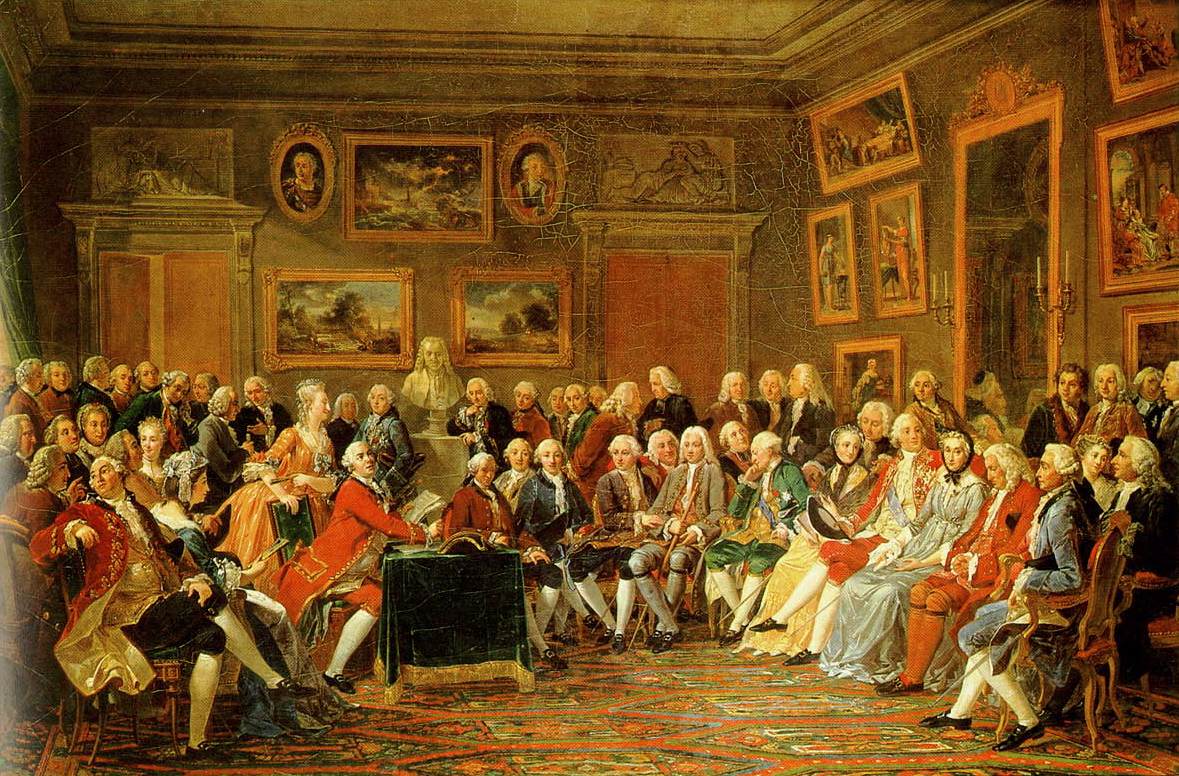
The Age of Enlightenment was the period in Europe where reason dominated world ideas in the 18th century. Early Reformers often had backgrounds in humanism and philosophy, giving them the leeway to reject traditionalism and turn to the Reformation movement, which offered a faith based on reason and scriptures.
The Enlightenment also gave rise to atheist philosophers and those who rejected Christianity. While believers would say this is a downside, the Reformation was never in vain. It gave people ideas that they alone could decide what they wanted to happen to their lives, and they began questioning the ideas that predominated their time.
The process of questioning would eventually pave the way for a more comprehensive scientific culture that continues today.
The movement tried to dissuade people from superstition and turn to the academe.
The faith during Martin Luther’s time often included several traditions that he pointed out as inconsistent with the scriptures. Superstitions were rampant, with people doing unnecessary things to maintain their peace of mind. With traditionalism taught as unequal to the scriptures, superstitions started to wane, even though not instantly.
More and more people became interested in studying science. Even in the religious world, people would discuss their faith based on studies that they have done. This culture of studying still has a grip on our modern world, and the Reformation may have a hand.
I learned this year that some universities in Europe still practice nailing their theses on a wall after completing them, mirroring what Luther had done to him.
The movement inspired people to work from the heart.

The early Reformers were influenced by the writings of Augustine of Hippo, who is often depicted holding his heart in serving God, saying, “Thou hast made us for thyself, and our heart is restless until it finds its rest in thee.” In the same way, the seals of Luther and Calvin also feature the heart as a way of showing that service to God must always be done wholeheartedly.
Because of this, from that time onward, people told the next generations to strive and succeed. The movement opened the people’s minds to the fact that good outcomes await if the work is done correctly and with all dedication. Many can attest to this fact and continue to be a source of inspiration.
The Reformers taught that people should keep on reforming.

The second generation of Reformers has a strong message embedded in their writings: semper reformanda. Always Reforming. They said that the Reformation had not ended. The need to reform is still there. But not the doctrines, the creeds, or the forms. Our lives must continue reforming until the coming of the Savior.
We can say that this thrust of telling people always to change has inspired people to innovate, look for more truths, formulate ideas that show reforming, and strive for better things. The Reformation has given us many things, but more than just our way of worship, it has given man a new way of life.
Final thoughts
I consider my failures and heartaches as those things necessary for my growth. But I know that I still have the chance to be better; I still have the opportunity to reform. The influence of the Reformation is undeniable, and it has impacted the lives of all the people on earth.
We still look forward to more things we could change for the better—semper reformanda.
